
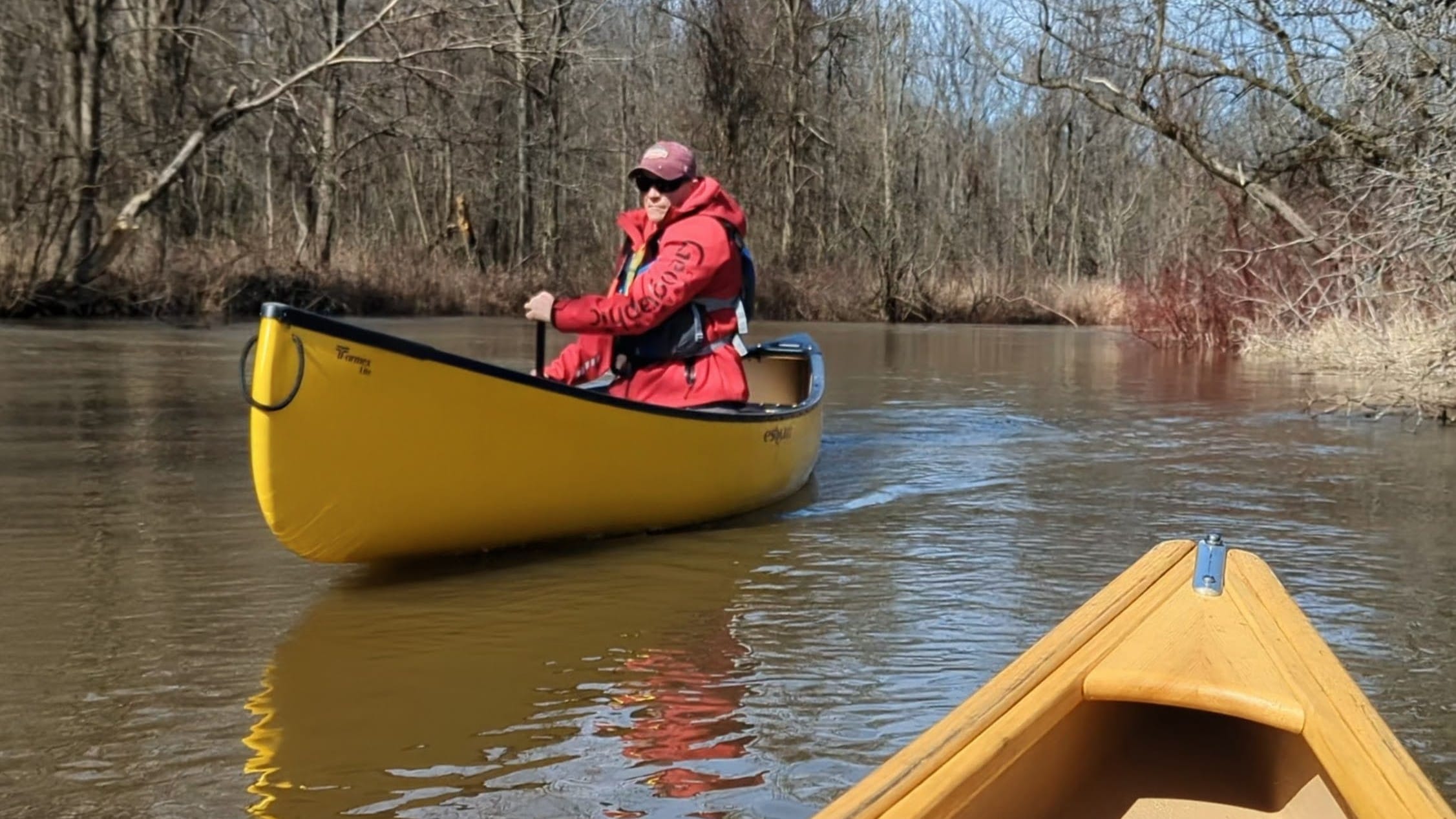
Cold Water, High Stakes: Navigating the Grand Before the Warm-Up
It’s the classic spring trap in Ontario: The sun is out, the air is a balmy 20°C, and the urge to get the boat off the rack is overpowering. But beneath the surface, the Grand River is still holding onto winter. With water temperatures hovering around 4°C, the gap between the air and the water is where the real challenge lies.
Being a seasoned paddler isn’t just about how you handle a blade; it’s about knowing how to handle the “April Gap.” Here is the professional’s blueprint for staying safe while the river wakes up.
The Golden Rule: The 1-10-1 Principle
If you end up in the water in April, your body doesn’t care how warm the sun feels. You need to memorize the 1-10-1 Rule. It’s the timeline of cold-water immersion:
- 1 Minute to Control Your Breath: The “Cold Shock Response” triggers an immediate, involuntary gasp. If your head is underwater, that’s a life-threatening moment. You have one minute to get your breathing under control and keep your airway clear.
- 10 Minutes of Meaningful Movement: You have roughly ten minutes before your fingers and limbs lose the dexterity needed to self-rescue or swim to shore. After this, “swim failure” sets in as blood leaves your extremities to protect your core.
- 1 Hour Before Hypothermia: Even in 4°C water, you typically have about one hour before you lose consciousness from hypothermia—if you are wearing a PFD to keep you afloat.
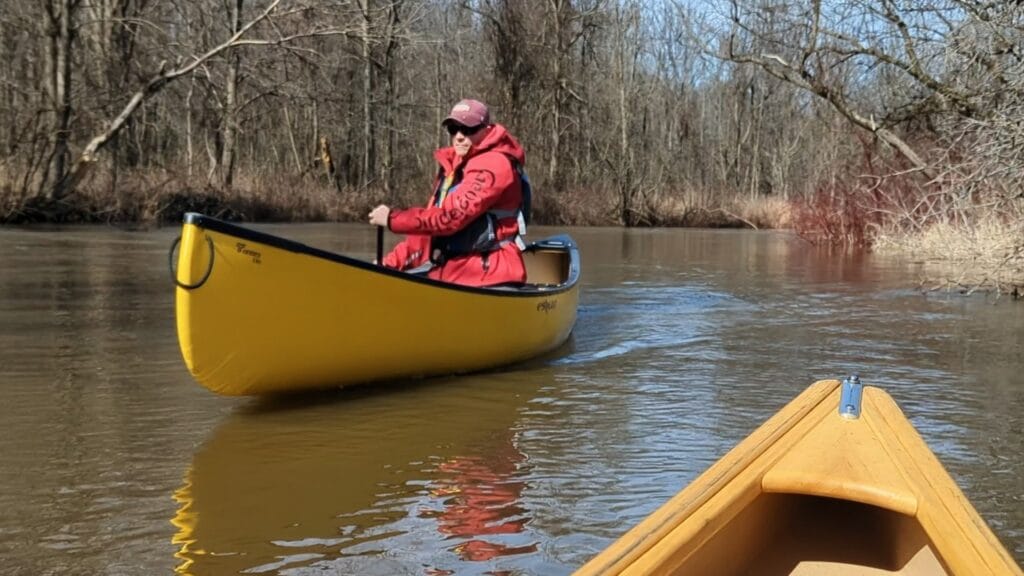
Dress for the Water, Not the Air
In April, your clothing is your life support system.
- The Dry Suit Advantage: For serious early-season paddling or whitewater on the Nith, a dry suit is the gold standard. It keeps you completely dry, allowing you to layer fleece underneath for thermal protection.
- Wetsuits: If a dry suit isn’t in the budget, a thick neoprene wetsuit is a must. It works by trapping a thin layer of water against your skin that your body heats up.
- Avoid the “Cotton Trap”: Never wear cotton in the spring. Once wet, it pulls heat away from your body 25 times faster than dry clothing. Stick to synthetics or wool.
The PFD Reality Check
This is the time of year to leave the “inflatables” at home.
In cold-water shock, you may not have the presence of mind (or the manual dexterity) to pull a cord, and a CO2 canister won’t help if you’ve already gasped and lost consciousness. A high-quality, foam-core PFD provides two things an inflatable can’t: instant buoyancy and thermal insulation for your core.
Know Before You Go
The “pros” don’t just hope for the best; they plan for the swim.
- Check the Hydrograph: Spring levels can change hourly.
- File a Float Plan: Tell someone exactly where you are launching and when you’ll be back.
- Stay Close to Shore: In April, “river-running” should be done with a conservative mindset.
The river is beautiful this time of year, but it demands respect. By prepping like a pro, you ensure that your first trip of the season is the start of a great summer—not the end of one.