
Echoes of the Grand: A River Through Time
Part 1: The Ice Age Origins
The Grand River is one of Canada’s most historically and ecologically significant waterways. Stretching across Southern Ontario, it has shaped the landscape, wildlife, and human history of the region for thousands of years. Its story begins long before modern settlement—during the age of glaciers, ancient ecosystems, and the earliest Indigenous peoples of the region.
At the end of the last Ice Age, approximately 12,000 to 15,000 years ago, the massive Laurentide Ice Sheet covered much of present-day Canada. As the climate gradually warmed, these colossal glaciers melted and retreated northward, releasing torrents of water across the landscape.
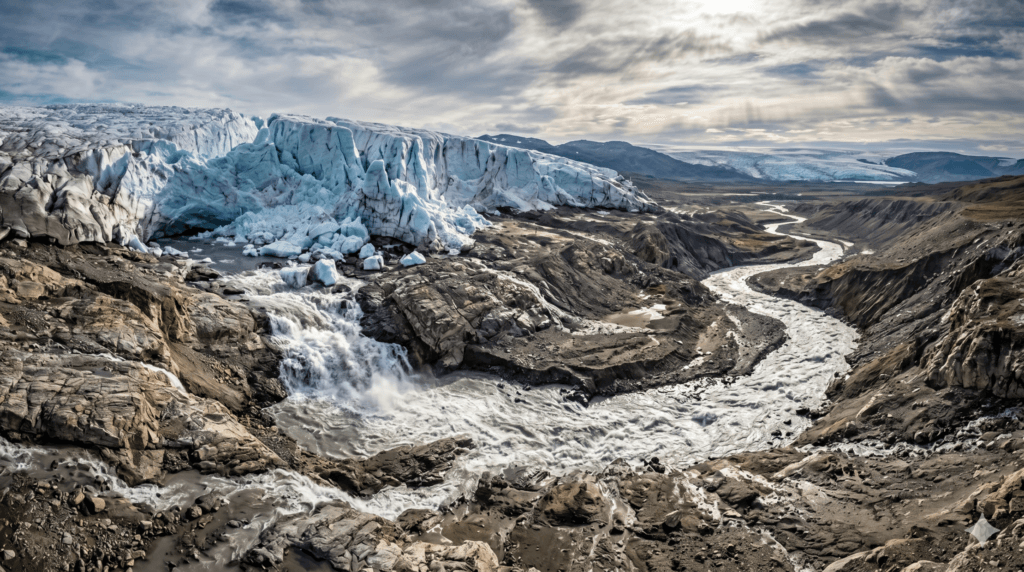
These powerful glacial meltwaters carved through layers of sand, gravel, limestone, and clay, sculpting the Grand River Valley. Covering 6,800 square kilometres, it would become the largest watershed in Southern Ontario. The rich, rolling terrain left in the wake of the ice soon gave rise to a flourishing wilderness of Carolinian forests, sprawling wetlands, and vibrant meadows.
Long before the first human footsteps echoed through the valley, the region belonged to the giants of the post-glacial world. Mastodons, woolly mammoths, giant beavers, and caribou roamed the emerging landscape, establishing a resilient ecosystem that continues to support incredible biodiversity today.
As the wilderness matured, the river became a vital life-line. Offering abundant freshwater, natural shelter, and a clear corridor for travel, the Grand River Valley naturally drew the region’s first human inhabitants: the Paleo-Indigenous peoples.
In our next blog post, we’ll continue exploring the history of the Grand River by taking a closer look at these First Peoples, their deep connection to the land and water, and how their presence shaped the region for generations to come.