
From Floodplain Pastures to Modern Paddles: The Living History of the Bingemans Riverfront
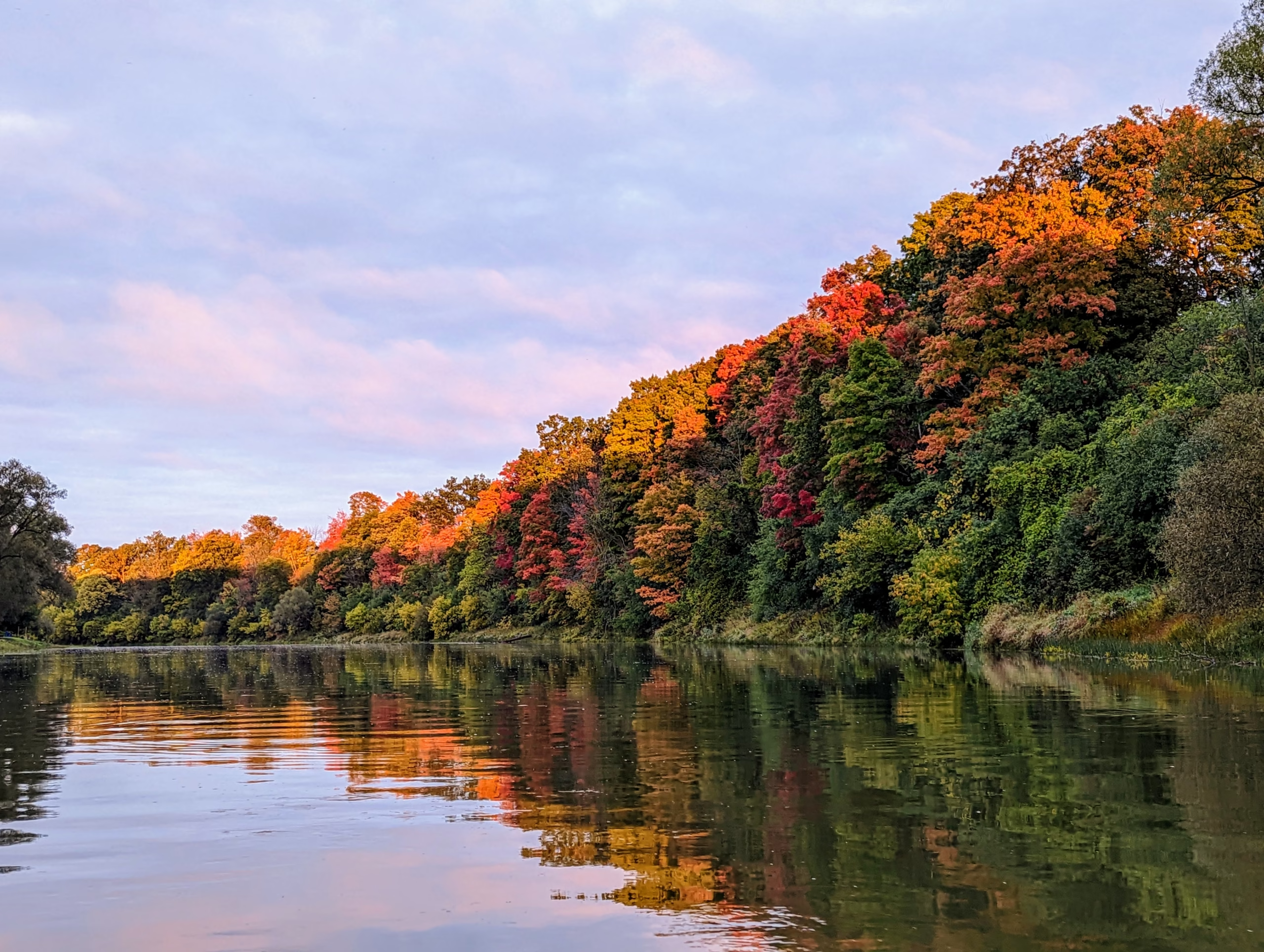
When you steer a canoe or kayak into the shoreline landing at Bingemans, it is easy to focus on the immediate surroundings—the towering silver maples, the shade of ancient sycamores, and the quiet sweep of the current.
Yet, this specific stretch of the Grand River holds centuries of Waterloo County history beneath its soil. Long before it became a premier regional destination, this parcel evolved through distinct chapters: an ancient Indigenous travel corridor, early Mennonite agricultural flats, a mid-century hobby farm and family retreat, and ultimately the gateway for modern river recreation.
An Ancient Corridor & Early Settlement Roots
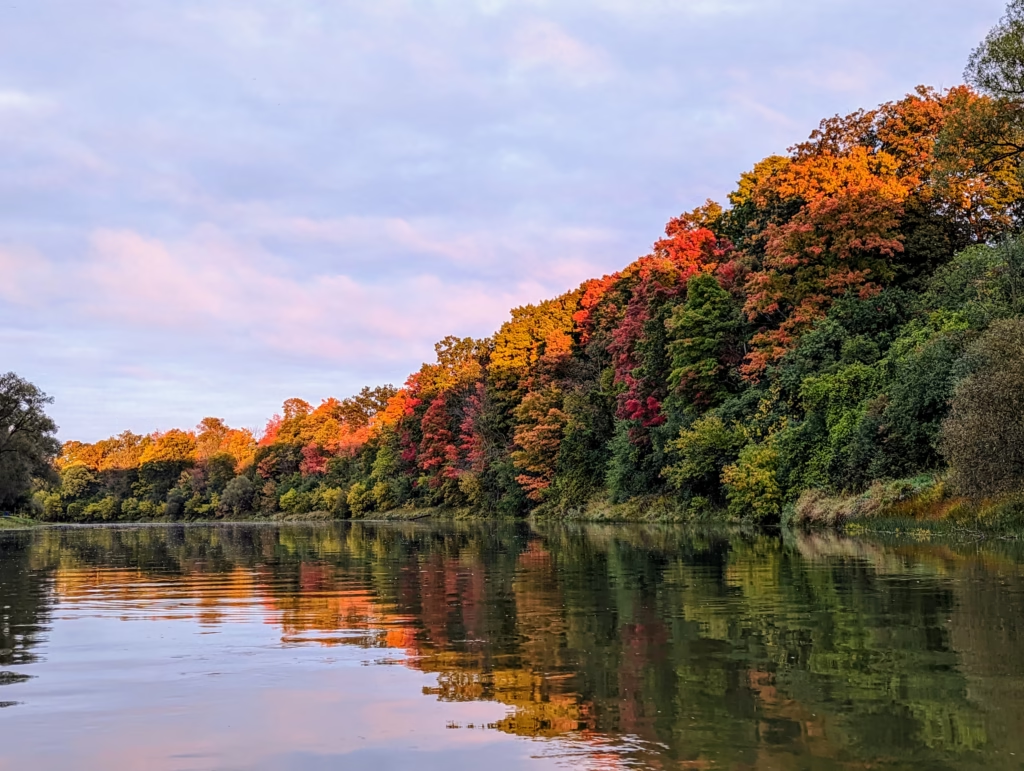
Centuries before surveyor stakes marked the region, the natural riverbanks and fertile flats along this section of the Grand served as a vital seasonal campsite, fishing ground, and canoe corridor for the Neutral (Attawandaron), Anishinaabe, and Haudenosaunee nations. The surrounding bluffs provided natural shelter, while the low river flats offered easy canoe landings and rich, fertile soil.
Following the Haldimand Proclamation of 1784 and the opening of the German Company tract in the early 1800s, Pennsylvania-German Mennonites traveled north in Conestoga wagons to settle Block 2 of Waterloo Township.
Because the lower river flats were subject to powerful spring thaws, early homesteaders cleared the floodplain primarily for livestock pasture and hay meadows, building their farmhouses, root cellars, and timber bank barns on higher ground away from the water. For over a century, the parcel remained active family farmland and working woodlots, sitting just downstream from early settlement gristmills and sawmills along the river.
The Dairy Roots & The Birth of Bingemans (1960)
The modern connection to the Bingeman family began in 1938, when Marshall Bingeman purchased land along King Street in Kitchener to establish a local dairy and milk bar. The venture quickly grew into a community staple for fresh milk, ice cream, and event catering across the Twin Cities.
Looking to establish a personal sanctuary by the water, Marshall Bingeman acquired the riverfront property along the Grand River, initially intending to use it as a hobby farm and peaceful retreat area for church groups and families.
However, the scenic appeal of the riverbanks quickly drew wider community interest. In 1960, the grounds officially transitioned into the park and campground that Waterloo Region knows today. Over the following decades, it expanded into a full-scale meeting centre, amusement hub, and social gathering place—while maintaining its vital natural green space and access along the edge of the Grand River.
The Heritage Run: Connecting Waterloo Region’s Past to the Water
Today, that riverside legacy comes full circle. At Grand Experiences, we use this storied riverbank as the centerpiece for one of our signature paddling adventures: The Heritage Run.
- The Route: Launching upstream from Kaufmans Flats and finishing directly at Bingemans, this 2.5-hour float guides you through the heart of the Waterloo corridor.
- The Experience: You navigate easy gravel swifts, quiet shallows, and lush Carolinian forest canopy where bald eagles, ospreys, and great blue herons hunt in the same waters traveled for generations.
- Seamless Outfitting: Paddling right up to the landing at Bingemans connects you to the deep roots of Kitchener-Waterloo, while our dedicated shuttle service, premium canoes, kayaks, paddles, and lifejackets ensure your logistics are completely dialed in from start to finish.
Whether you are a lifelong resident eager to rediscover your hometown’s heritage or a visitor exploring Southern Ontario’s Canadian Heritage River for the first time, the past is alive around every bend of the Grand.
Push off into the current, paddle past centuries of living history, and step ashore where it all began.