
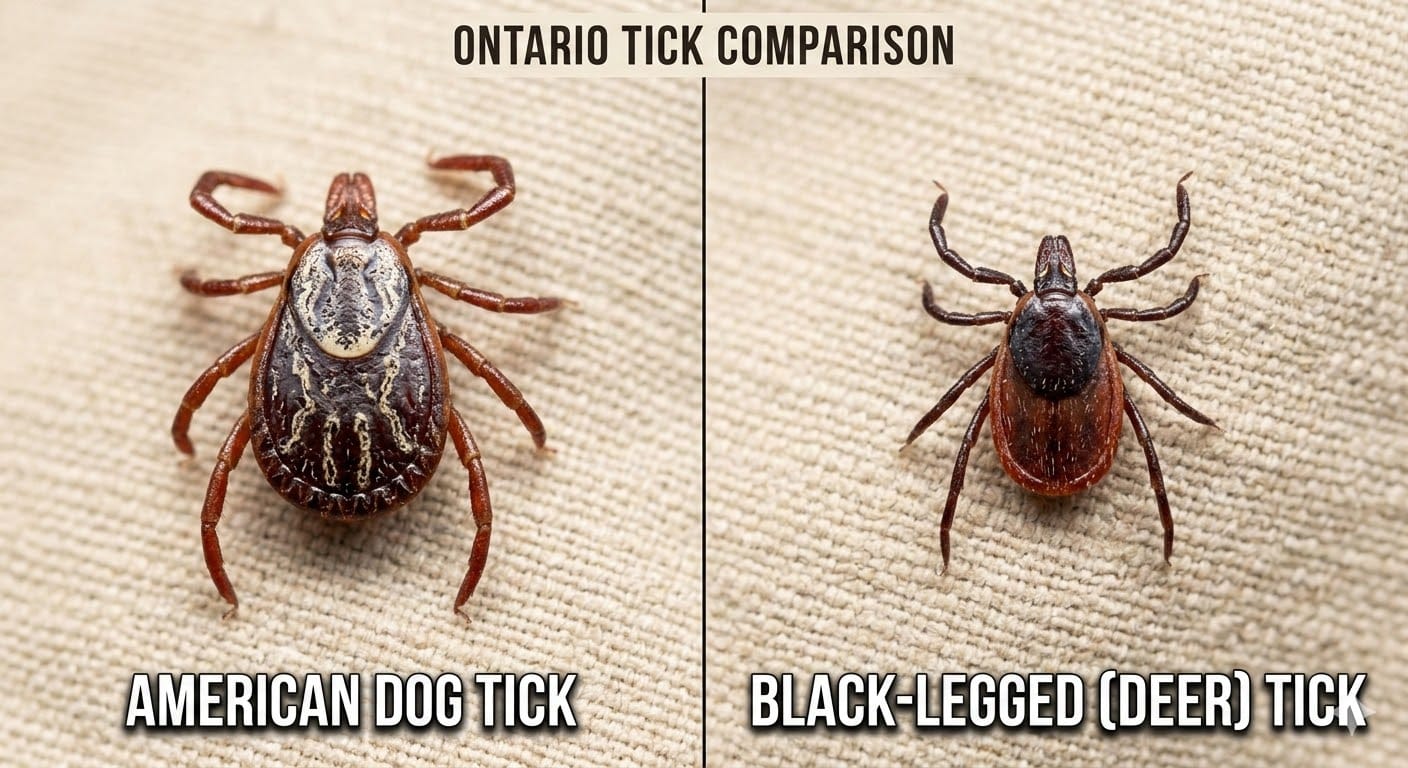
Parent’s Guide for a Worry-Free Tick Season
Tick Safety & Prevention:
As we gear up for the 2026 season, my focus is on ensuring every student and young adventurer on the water has a safe, focused experience. Whether they are joining us for Bingemans Grand Canoe Camp, a Youth Paddling session, or one of our many School Group excursions, our goal is simple: minimize the “pests” so the kids can maximize the adventure.
When it comes to trail safety in Ontario, tick prevention is at the top of the list. Here is the professional gear strategy we recommend for parents and educators.
The Gold Standard: Permethrin-Treated Clothing
If you want the most effective defense against ticks, look beyond standard sprays. The “pro” move is Permethrin. Unlike DEET, which you apply to the skin, Permethrin is a treatment for clothing and gear only. It doesn’t just repel ticks; it kills them on contact.
- Pre-Treated Gear: Brands like WindRiver (No Fly Zone) or Mark’s carry clothing that comes factory-treated. These are fantastic because the protection typically lasts through 70 washes.
- DIY Treatment: You can find Permethrin spray (like Sawyer Premium) at most outdoor retailers. Spray your child’s outer layers—focusing on socks, pants, and shirts—and let them dry completely before they are worn. A DIY treatment usually lasts through about 6 washes.
Why it works: Ticks are “hitchhikers” that usually grab onto footwear or pant legs. When they touch Permethrin-treated fabric, they drop off or die long before they can reach the skin.
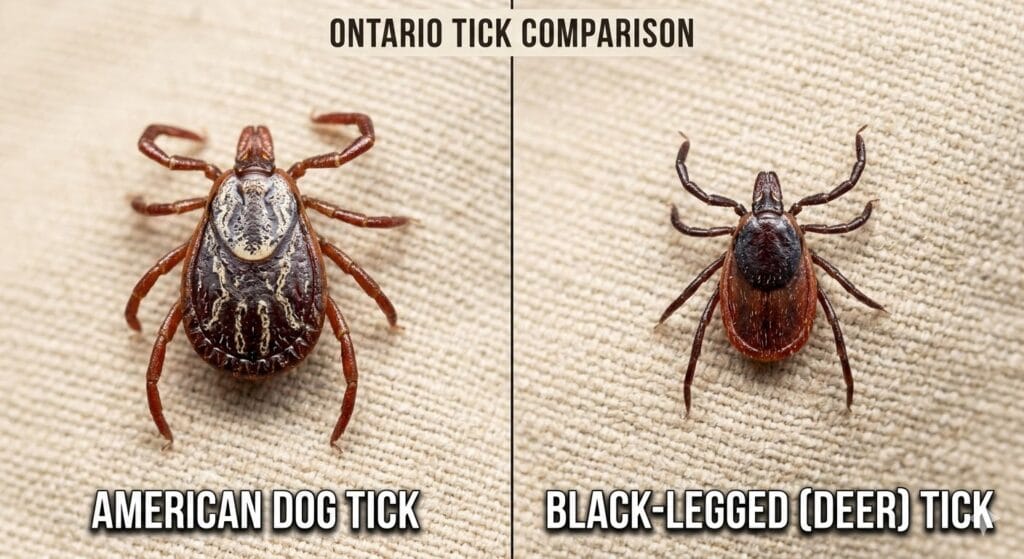
Essential “On-Trail” Tactics
Even with treated gear, these simple habits make a massive difference in the field:
- The “Tuck” Method: It’s not a fashion statement, but it works. Tucking pants into socks and shirts into waistbands creates a continuous physical barrier that keeps ticks on the outside of the clothing where they can be spotted.
- Light-Coloured Fabrics: Ticks are dark and tiny. Choosing light-coloured clothing (beige, light grey, or white) makes it significantly easier to spot a hitchhiker during a quick visual check.
- The Post-Trip Inspection: Make the “tick check” a standard end-of-day ritual. Focus on high-risk areas: the backs of knees, waistlines, and the hairline.
Repellents for the Skin
While Permethrin handles the clothes, use DEET or Icaridin-based products for exposed skin, specifically around ankles and wrists. Many parents prefer Icaridin for kids because it is odorless and less greasy than traditional DEET.
Preparation is the Ultimate Strategy
In my experience, the best adventures are the ones where the logistics are handled before the boat hits the water. By taking these steps now, you’re ensuring that when your child is out on the Grand, their only focus is on the eagle overhead or the perfect J-stroke.
Planning a youth adventure?
Whether you are registering for Bingemans Grand Canoe Camp, booking a Youth Paddling clinic, or organizing a trip for your School Group, these safety protocols ensure the focus stays on the fun.