
Who Was Joseph Brant?
If you’ve spent time exploring the Grand River, you’ve likely come across the name Joseph Brant. From the city of Brantford to local parks, schools, and monuments, his influence can still be seen throughout the region.
But who was Joseph Brant, and why is his story so closely connected to the Grand River?
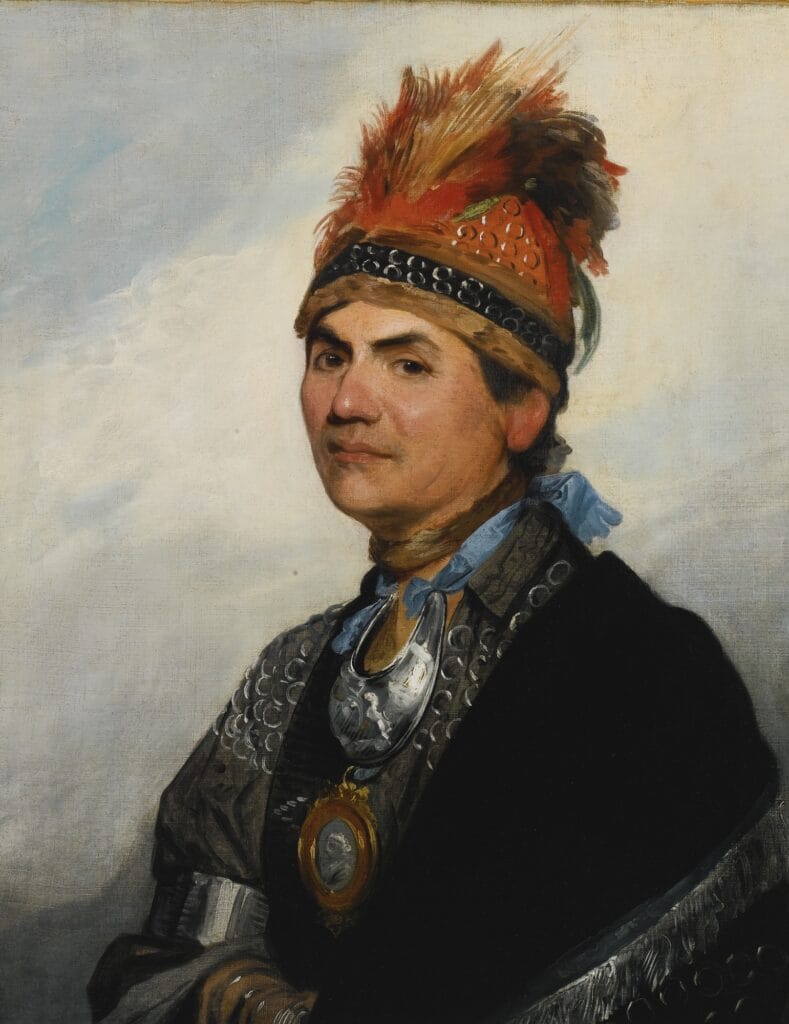
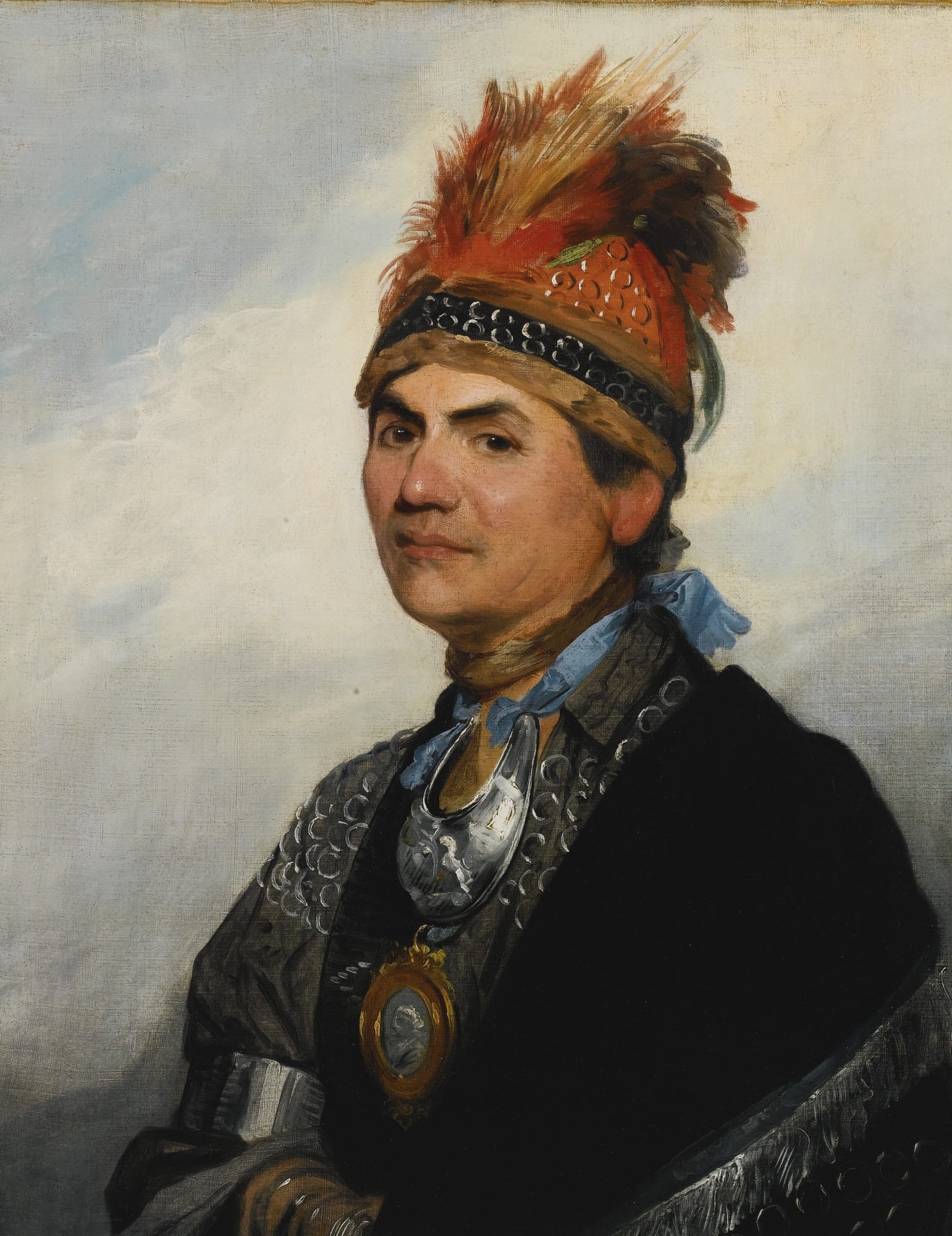
Joseph Brant, known by his Mohawk name Thayendanegea, was born around 1743 into the Mohawk Nation, one of the Six Nations of the Haudenosaunee Confederacy. He became a respected military leader, diplomat, and spokesperson during a time of enormous change in North America.
Brant was educated in both Mohawk and British traditions and became known for his ability to bridge cultures. He spoke multiple languages and spent much of his life negotiating with British officials while advocating for the rights and interests of his people.
During the American Revolution, Brant and many members of the Haudenosaunee Confederacy allied with the British Crown. They believed that supporting Britain offered the best chance of protecting their lands and sovereignty.
When the war ended in 1783, Britain recognized American independence, but many Indigenous allies lost their traditional territories in what is now New York State.
In recognition of the Six Nations’ alliance with the British, the Haldimand Proclamation of 1784 granted the Six Nations a tract of land along the Grand River, stretching six miles deep on both sides from its source to its mouth at Lake Erie.
Joseph Brant played a central role in helping his people establish a new home along the river. Under his leadership, communities, farms, mills, churches, and schools were built, laying the foundations for what would become the Six Nations of the Grand River.
Today, the Six Nations reserve remains the largest First Nations community in Canada by population, yet through subsequent land sales, leases, and encroachments, the reserve currently comprises less than 5% of the original 950,000 acres granted under the Haldimand Proclamation.
Joseph Brant is remembered in many different ways. To some, he was a skilled diplomat who worked tirelessly to secure a future for his people during an incredibly difficult period. To others, his decisions—particularly regarding land sales and leases, and his close relationship with British authorities—remain the subject of historical debate.
Like many historical figures, Brant’s legacy is complex. Understanding his life means recognizing both his achievements and the difficult circumstances in which he lived.
The Grand River that visitors enjoy today is part of a landscape shaped by thousands of years of Indigenous history. As you paddle its waters, you are travelling through territory that has long been home to the Haudenosaunee and other Indigenous Peoples. Communities along the river, including Brantford, continue to reflect Joseph Brant’s lasting influence, while the Six Nations of the Grand River remains a vibrant community with a rich cultural heritage.
Explore the Grand River with a New Perspective
Every bend in the Grand River tells a story. Beyond its beautiful scenery lies a history of resilience, diplomacy, and community that continues today.
At Grand Experiences, we believe that learning about the people who shaped this river helps us appreciate it even more. Whether you’re joining a guided paddle or enjoying a peaceful self-guided trip, take a moment to reflect on the generations of people who have travelled these waters before us.
The Grand River is more than a destination for adventure—it is a place where history, culture, and nature come together.