
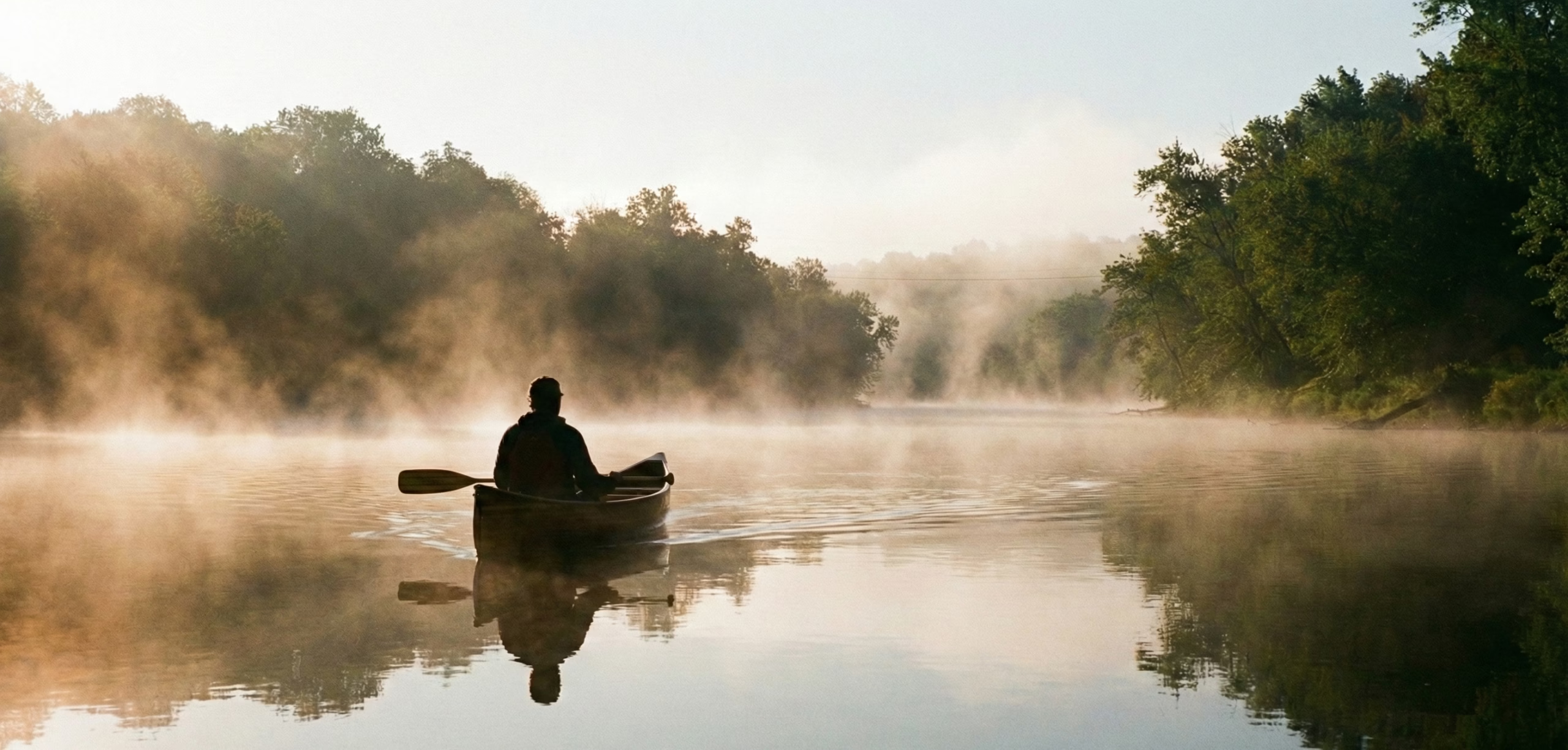
The Birth of Plastic: How Bakelite Changed the Way We Paddle
Today marks a massive anniversary in the world of manufacturing—and a surprisingly important one for everyone who loves the river. On this day in 1909, Belgian chemist Leo Baekeland announced his invention: Bakelite.
It was the world’s first fully synthetic plastic. While Baekeland changed the DNA of manufacturing forever, he also handed us a long-term responsibility. As we celebrate the durability that plastic brought to our industry, we also recognize our duty to protect the waters we travel.
From Lab Benches to River Banks
Before the “Age of Plastic,” canoes and kayaks were limited to natural materials like birch bark or canvas stretched over wood. While beautiful, they didn’t always take kindly to a rocky riverbed. Baekeland’s breakthrough eventually led to the high-density polyethylene (HDPE) and polymers we use at Grand Experiences today—materials that are virtually “bomb-proof.”
Durability Meets Responsibility
The very thing that makes plastic great—the fact that it lasts forever—is also its biggest environmental challenge. Because we love the Grand River, we don’t just use these materials; we manage them.
- Our Commitment: We view ourselves as stewards of the river. Part of enjoying the “Plastic Revolution” is ensuring we keep our waterways clean and our gear out of the waste stream.
- Built to Last: Our modern boats are designed to withstand years of heavy use, reducing the need for frequent replacements.
- The Full Circle: When a boat finally reaches the end of its long life, it doesn’t belong in a landfill. Modern kayaks and canoes can be ground up and fully recycled into new products, from decking to specialized industrial tools.
So, as we look out at the water today, we’re giving a nod to Leo Baekeland’s 1909 announcement, while doubling down on our commitment to a sustainable, recyclable future for the Great Outdoors.