
The Grand River’s Winter Transformation: What “Ice-Up” Means for Safety and Flow
Baby it’s cold outside
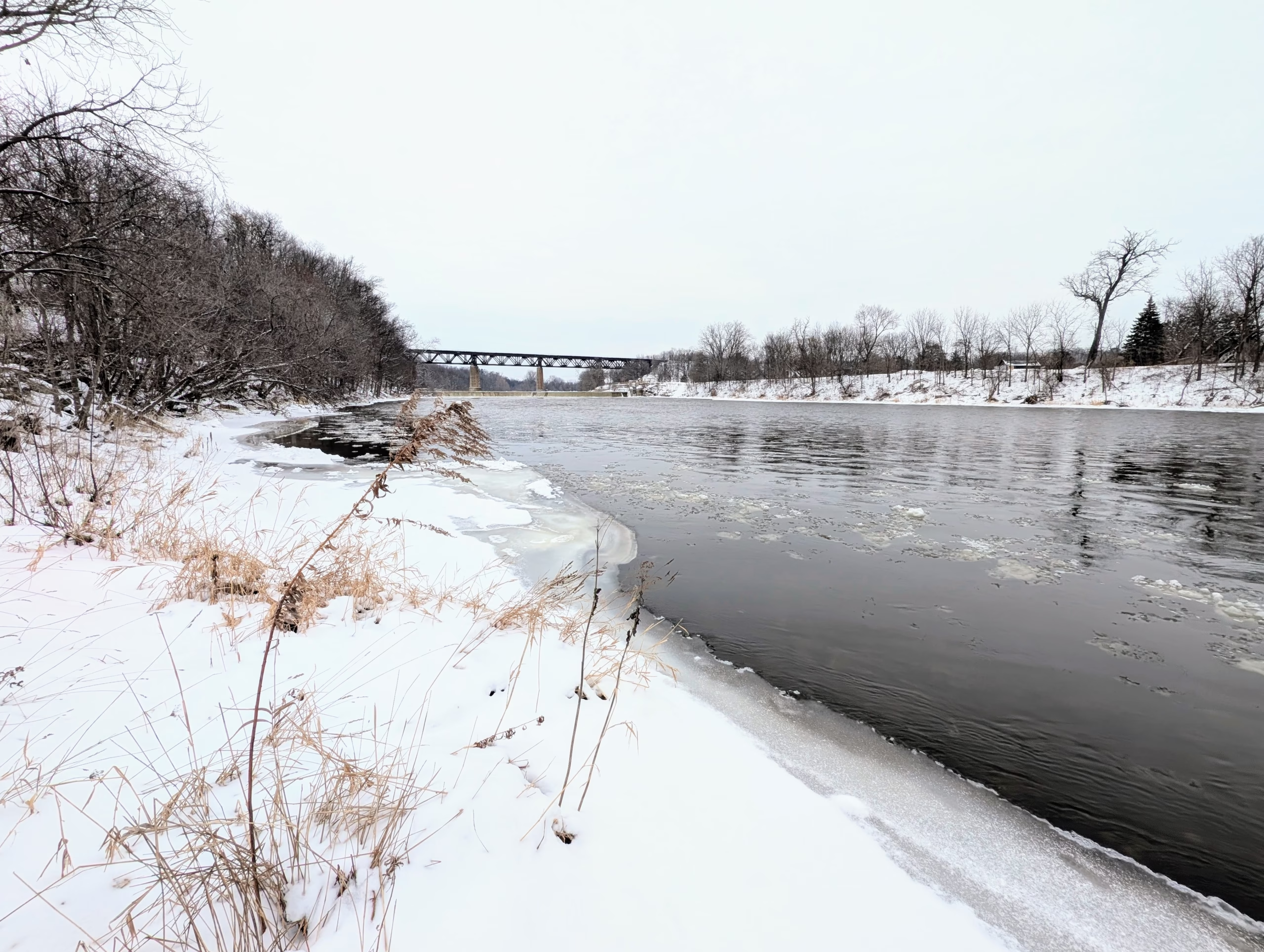
Over the last week, I’ve been watching a quiet but powerful transformation from the riverbank. The Grand River has been gradually “closing over”—that stage where the open, rushing water of autumn gives way to the jagged, creeping shelf-ice of winter.
While it looks peaceful, this “ice-up” period is one of the most dynamic and potentially dangerous times of the year on the river. Understanding what’s happening beneath the surface is key to staying safe until the paddles come back out in the spring.
The Science of the Freeze: Resistance and “Staging”
As ice forms along the banks (border ice) and begins to bridge across the channel, it doesn’t just sit on top of the water. It fundamentally changes how the river moves.
- Increased Resistance: Ice creates a “lid” on the river. This adds friction, slowing down the top layer of water.
- The Staging Effect: When the flow slows down due to ice resistance, the water level behind it actually begins to rise to push the same volume of water through a constricted space. This is called “staging.”
- False Flow Readings: If you’re looking at flow gauges right now, be careful. Ice can interfere with sensors or cause “backwater” effects, making the river appear deeper or faster than it actually is.
The Hidden Danger: The “Ice Jam” Risk
The most significant impact of the current freeze-up is the risk of frazil ice and ice jams. In shallower, winding sections of the Grand, floating slush and ice plates can pile up against bridge abutments or tight river bends.
These jams act like temporary dams. Water backs up upstream, potentially causing “flash” flooding in low-lying areas even when there hasn’t been a drop of rain. On the flip side, if a jam breaks suddenly, it can send a surge of water and heavy ice chunks downstream with incredible force.
Why “No Ice is Safe Ice” on the Grand
It’s tempting to want to walk out for a closer look at the formations, but river ice is a different beast than lake ice:
- Constant Erosion: Unlike a still pond, the Grand is always moving. The current underneath the ice is constantly wearing it away from below. You might have 4 inches of ice at the bank and only a half-inch just a few feet further out.
- Fluctuating Levels: The GRCA (Grand River Conservation Authority) manages flow through dams upstream. If they release water to manage reservoir levels, the river level rises, creating an air gap between the water and the ice. This makes the ice shelf incredibly brittle and prone to collapsing under weight.
- The Cold Shock Factor: If someone—or a pet—falls through right now, the water temperature is near zero. “Cold shock” happens in the first 60 seconds, making it nearly impossible to swim or even breathe properly.
The Guide’s Advice: Respect the Cycle
The ice-up is a necessary part of the river’s seasonal rhythm. It’s a time for us to step back, maintain our gear, and let the river rest.
If you are out walking the trails this February, keep your distance from the banks. The edges are often undercut and slippery. Enjoy the view of the white-capped “Amazon of Ontario,” but remember that beneath that quiet white blanket, the river is still a powerful, working system.
How We Help: Stay informed
Want to be the first to know when the ice breaks and the 2026 season officially begins? Sign up for our “River Watch” email list here to get water level updates and opening day announcements delivered straight to your inbox.